
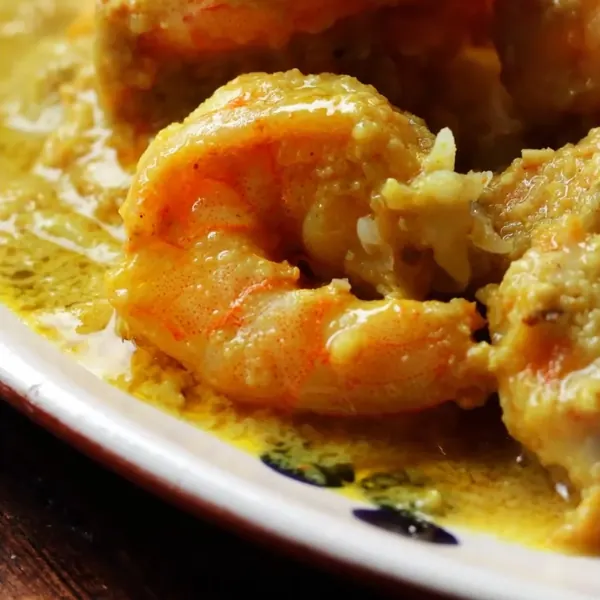
Pressure Cooker Ilish (Boneless Hilsa in Yogurt Gravy)
প্রেশার কুকারে ইলিশ
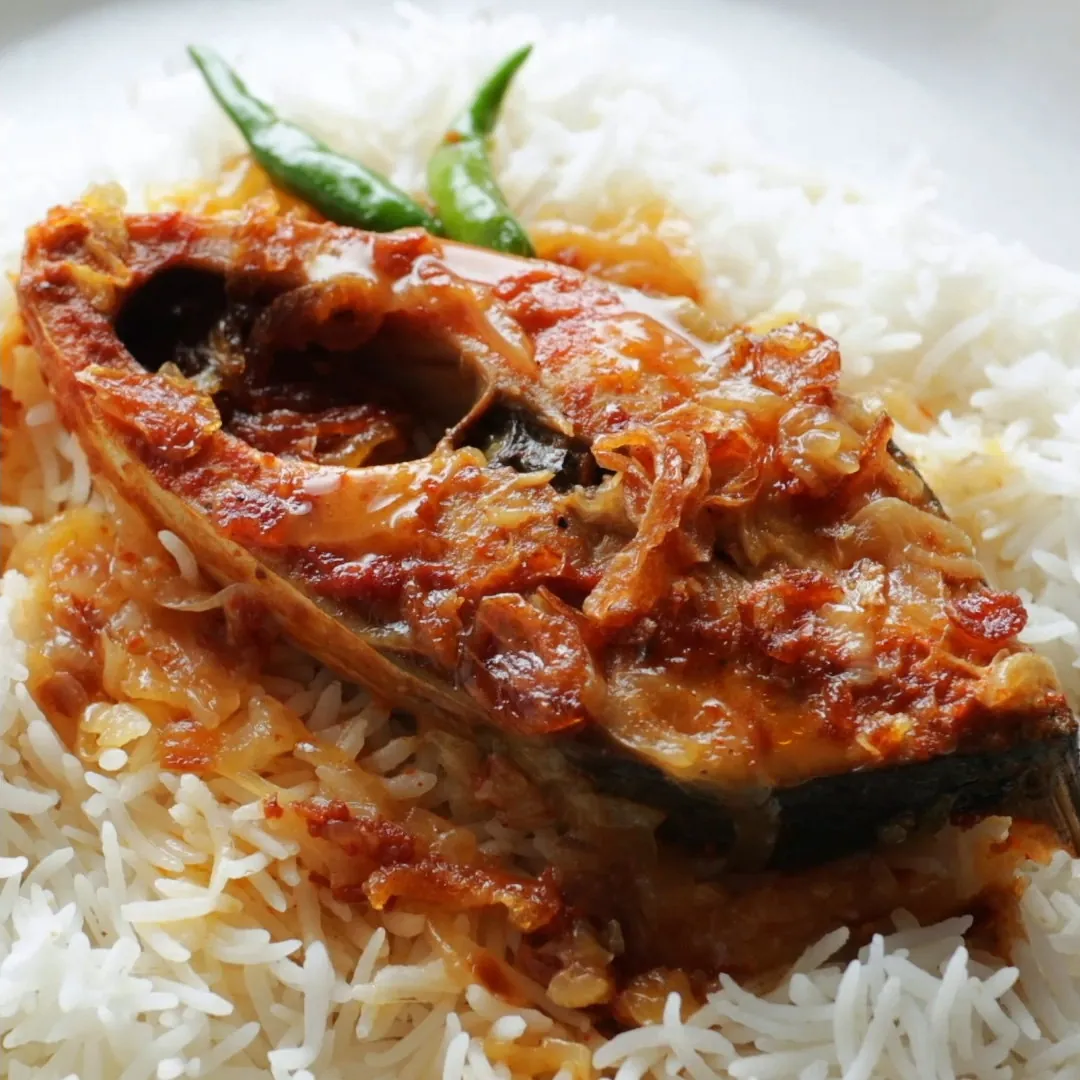
Experience the melt-in-your-mouth texture of Hilsa fish bathed in a tangy, creamy yogurt sauce. This clever pressure cooker method ensures even the most delicate fish is cooked to perfection without falling apart.
Part of: Pohela Boishakh recipes
About this dish
Ilish is the national fish of Bangladesh and is celebrated in almost every household. While traditionally cooked in clay pots, this modern pressure cooker version is a lifesaver for busy families wanting that authentic flavor quickly.
Ingredients
The Marinade
Main Ingredients
Garnish and Finishing
Can’t find it? Use this
- Ilish (Hilsa): Salmon or Sea Bass
- Mustard oil: Canola oil with 1 tsp mustard powder
- Fried onions (beresta): Crispy fried shallots
Method
Prepare the yogurt marinade
In a medium bowl, whisk together the yoghurt, sugar, vinegar, and red chilli powder. Add salt to taste and mix until you have a smooth, orange-tinted paste.
Marinate the fish
Gently coat the Hilsa pieces in the yogurt mixture, ensuring every piece is fully covered. Drizzle the mustard oil over the fish and toss lightly to combine.
Layer in the pressure cooker
Create a base layer of sliced onions in the pressure cooker, then place a layer of fish on top. Repeat this layering process with more onions and fish, then pour in the remaining marinade and water.
Pressure cook the fish
Seal the lid tightly and cook on high heat for 10 minutes. Reduce the heat to low and let it simmer for 1 hour and 15 minutes to ensure the flavors penetrate the fish.
Thicken the gravy
Carefully remove the fish and transfer to a frying pan. Pour the cooking liquid from the cooker into the pan, add the fried onions and green chillies, and simmer on high heat until the sauce thickens into a rich gravy.
Questions
Can I use a regular pot instead of a pressure cooker?
Yes, but you will need to simmer it on low heat for much longer (about 45-60 minutes) to achieve the same tenderness.
Is Hilsa very bony?
Traditional Hilsa is very bony, which is why this recipe specifically calls for boneless pieces to make it easier for beginners.
Cooked it? Rate this recipe
Sign in or create a free account to rate recipes.
Comments (0)
Log in to leave a comment.